

In this article
Most British India coins carry a year, and most collectors read the year first. The year is the least useful thing on the coin. It tells you when that die was used, which is not the same as when the type was introduced, and on a worn copper the fourth digit is often the first thing to disappear.
The portrait is a better handle. Five monarchs struck coin for British India between 1835 and 1947 — William IV, Victoria, Edward VII, George V and George VI — and the first four appear in a small number of recognised busts. Find the bust, and you have the reign. Find the bust and the metal, and you usually have the denomination.
William IV, 1830 to 1837
William IV is the shortest reign in the series and the easiest to recognise: a bare, balding head facing right, with the royal title around it. The Reserve Bank of India’s museum lists the William IV coinage as the rupee, half rupee and quarter rupee in silver, with half anna, quarter anna and half pice in copper (Reserve Bank of India, 2014e).
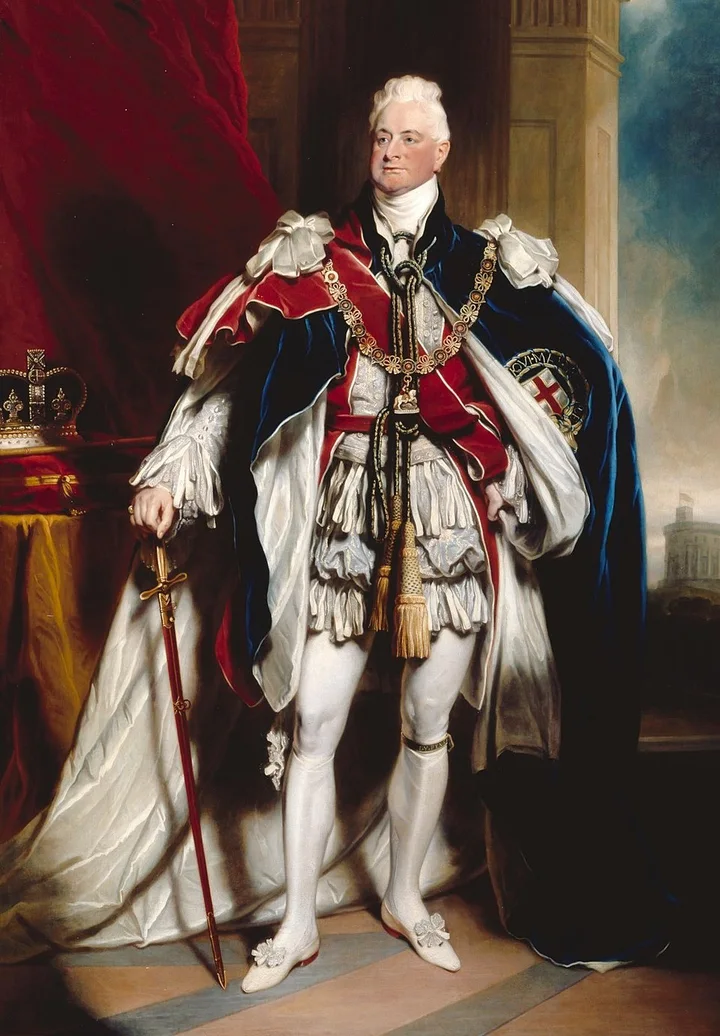
The 1835 half rupee in our catalogue is a Bombay piece, and we hold a second example of the same date and mint. That duplication is worth keeping. Two worn coins of the same type let you compare what has rubbed away against what was never struck, which is the only reliable way to learn a portrait.
Victoria, three busts
Victoria is where most collections begin, and where most misdating happens, because the museum divides her British India coinage into three busts: Young, Mature and Empress (Reserve Bank of India, 2014d). The difference between the first two is a matter of hair and dress rather than inscription.
- Young bust. The early issue, diademed head with the hair gathered behind. The museum lists two annas, quarter rupee, half rupee, one rupee and one mohur in silver for this bust.
- Mature bust. The 1860s and 1870s, with the head fuller and the hair dressed differently. This is the bust that adds the bronze small change: one twelfth anna, half pice, quarter anna and half anna.
- Empress bust. From 1877, when Victoria took the title Empress of India, the museum lists a third bust, the Empress, and the legend carries the new title.
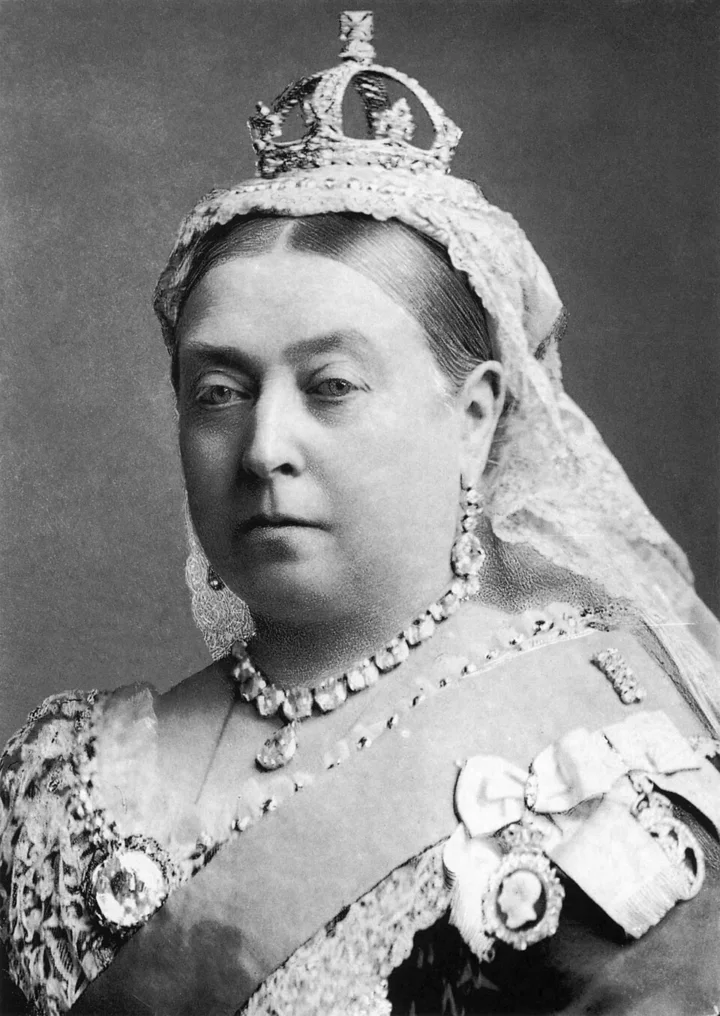
That third change is the most useful line in British India collecting. A coin of the Empress type is 1877 or later, whatever the date says, and a Young or Mature bust coin is 1876 or before. You can date a whole tray from the bust and its title alone.
Edward VII, 1901 to 1910
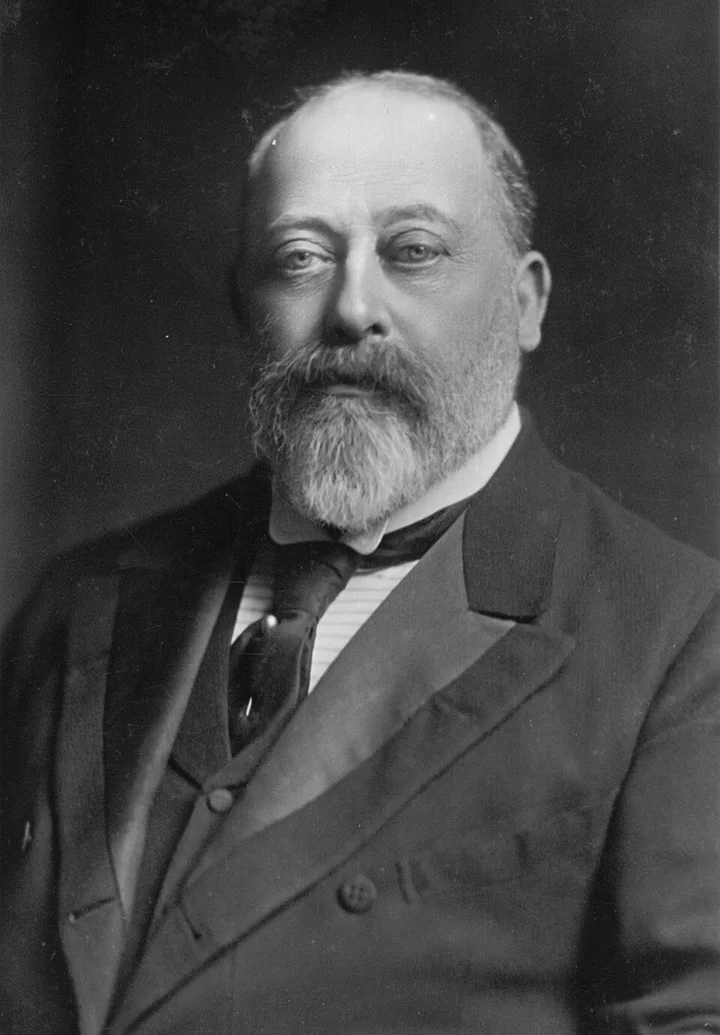
Edward VII appears crowned and facing right, and his coinage is short enough to collect as a set. The museum lists one twelfth anna, half pice and quarter anna in bronze; one anna in copper-nickel; and two annas, quarter rupee, half rupee and one rupee in silver (Reserve Bank of India, 2014b).
Note the metal change. The one anna moves to copper-nickel under Edward VII, which is why a white-metal anna is Edwardian and not Victorian.
George V, 1910 to 1936
George V is the busiest reign on the list. The museum’s page separates a first group from a later one labelled Major Design Change, which carries the two, four and eight anna pieces. The first group runs from one twelfth anna to one rupee, with a fifteen rupee gold piece above it (Reserve Bank of India, 2014c).
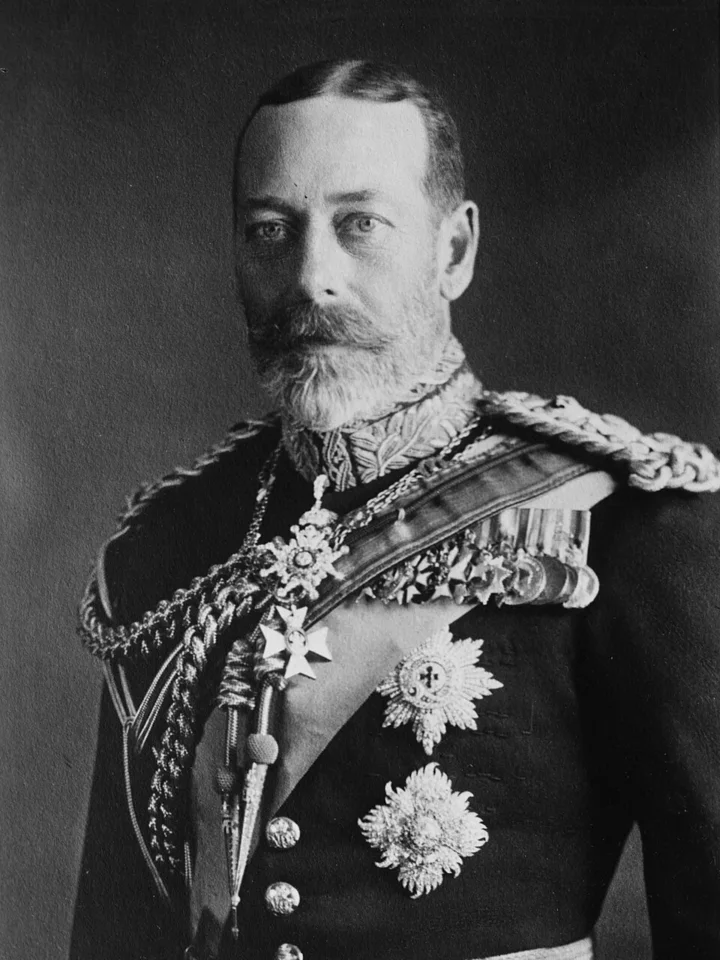
For a collector in India, the George V coppers are the ones that turn up by the handful: the one twelfth anna, the half pice, the quarter anna, the one anna. They are common, they are cheap, and they are a good place to learn how a mint mark behaves.
George VI, 1936 to 1947
The museum’s British India pages stop at George V, but the coins do not. George VI’s issues run to 1947 and are the last of the series, which is why a collection that ends with independence ends with his portrait. Our own group closes there: a quarter anna of 1939, a half anna and a one anna of 1942, and two 1946 pieces.
The practical value is that they are common and inexpensive — the catalogue values most of ours between ₹25 and ₹200 — which makes them a safe place to learn a legend and a mint mark before you spend money on a Victoria.
The mint mark does the rest
Once you know the ruler, the mint mark narrows the coin to a place of manufacture. The catalogue records what its owner could actually see: a dot or bead below the date, a dot between two digits, a diamond below the year, a star below the year, and on many coins no mark at all. Its own notes read the star as Hyderabad and a plain field as the Calcutta variety of a given type.
Nothing is written on the coin to tell you which is which, and on a worn surface a diamond, a dot and a bead look very much alike.
The practical rule: if you cannot see a mark, do not assume Calcutta until you have looked at the space under the date in raking light. A worn dot fills in with dirt and reads as nothing.
What we hold
Our own British India group runs from a William IV half rupee of 1835 to a George VI one anna of 1946. The 1891 quarter anna is an Empress piece from Calcutta. The 1920 eight annas is Bombay. The 1935 quarter anna and the 1939 quarter anna are Calcutta. Two 1946 pieces, a one anna and a half anna, close the series. A 1926 farthing and a 1912 Ceylon cent sit alongside them as the imperial margin: same crown, different country, different currency.
Checking a coin in front of you
Read the legend before the date. Identify the bust. Identify the metal. Look for the mint mark under the date in raking light. Then read the date, and treat it as the last confirmation rather than the first.
If the legend, the bust and the metal disagree with the date, the date is the part to doubt.
References
Bassano, A. (n.d.). Queen Victoria [Photograph]. Wikimedia Commons. https://commons.wikimedia.org/wiki/File:Queen_Victoria_by_Bassano.jpg

Bassano Ltd. (ca. 1923). King George V [Photograph]. Wikimedia Commons. https://commons.wikimedia.org/wiki/File:King_George_1923_LCCN2014715558_(cropped).jpg

King Edward VII [Photograph]. (n.d.). Wikimedia Commons. https://commons.wikimedia.org/wiki/File:King-Edward-VII_(cropped)_(b).jpg

Pangea World Antique Company. (2026). Coin catalogue: British India entries. https://pangeaworldantiques.com/collections/numismatics/british-india/
Reserve Bank of India. (2014b). British India coinage: Coins of Edward VII. Currency Museum. https://www.rbi.org.in/Scripts/Museum.aspx
Reserve Bank of India. (2014c). British India coinage: Coins of George V. Currency Museum. https://www.rbi.org.in/Scripts/Museum.aspx
Reserve Bank of India. (2014d). British India coinage: Coins of Queen Victoria. Currency Museum. https://www.rbi.org.in/Scripts/Museum.aspx
Reserve Bank of India. (2014e). British India coinage: Coins of William IV. Currency Museum. https://www.rbi.org.in/Scripts/Museum.aspx
Shee, M. A. (1833). William IV [Painting]. Wikimedia Commons. https://commons.wikimedia.org/wiki/File:William_IV_in_1833_by_Shee_cropped.jpg

These articles are enhanced using AI. If any contradiction or conflict of interest is found, write to [email protected] and the curatorial desk will address it.